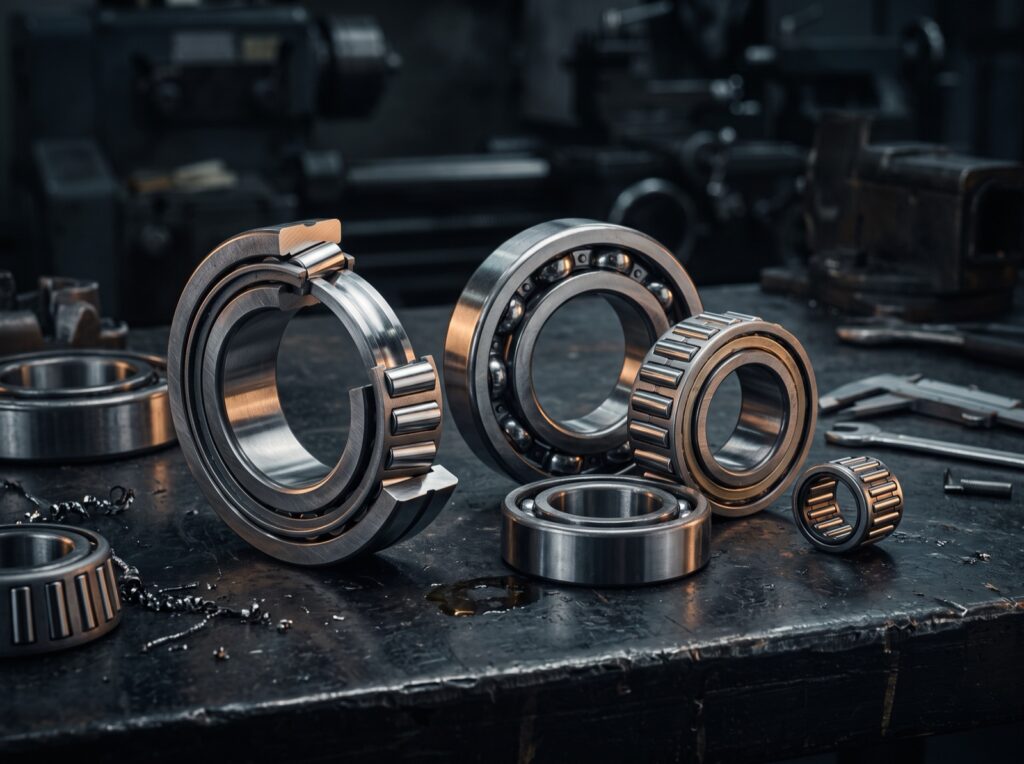
Bearings are indispensable parts of rotating equipment, and their failures often lead to unexpected downtime. Knowing the causes of failure is the key to protecting production continuity through preventive maintenance.
1. Common Causes of Failure
- Lubrication errors: Insufficient, excessive or incorrect lubrication is the most common cause of failure.
- Overload and vibration: Loads beyond the design shorten bearing life.
- Misalignment: Incorrect assembly and shaft misalignment cause premature wear.
- Contamination: Dust, moisture and particles damage bearing surfaces.
2. Early Warning Signs
Temperature rise, unusual noise and vibration are early signs of bearing failure. By monitoring these signals, intervention can be made before the fault grows.
3. Correct Assembly
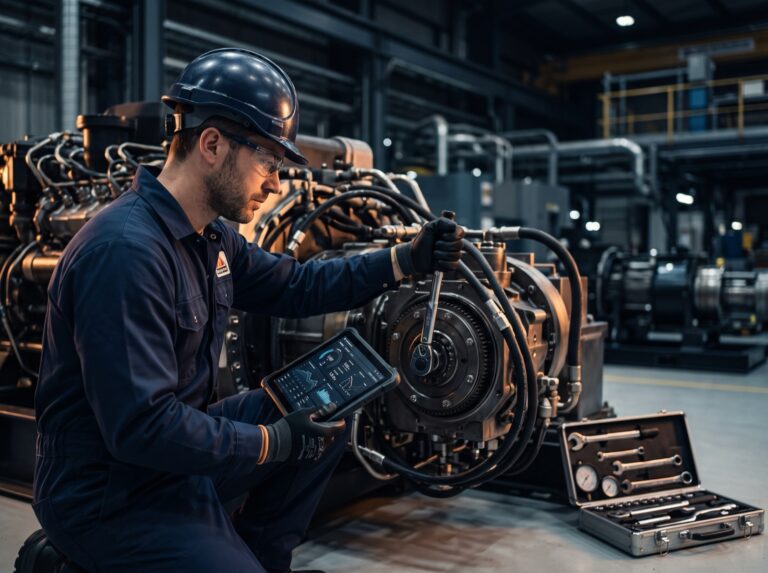
Mounting bearings with the right tools, correct torque and alignment directly affects their life. Assemblies made by forcing cause microscopic damage.
4. Prevention Methods
A correct lubrication programme, proper assembly and alignment, regular vibration analysis and a clean working environment extend bearing life. Using quality, genuine bearings also reduces the risk of failure.
The vast majority of bearing failures are preventable; correct lubrication and assembly multiply their life.
Conclusion
Bearing life can be significantly extended through the right selection, assembly, lubrication and monitoring. Get in touch with us for our wide bearing range and technical support.